Fuji Succulents are not just plants; they’re a piece of horticultural art. Japanese experts bred these succulents. The plants, which are perennial, receive acclaim for their beauty and resilience. They mirror the serene presence of Mount Fuji. Fuji Succulents form rosettes. A delicate white powder dusts their leaves. They stand out in any plant collection. Understanding their unique lifecycle, including their bloom and later death, is key. Removing the flower spike at the right time can save your plant. This makes knowledge and timing crucial in Fuji Succulent care.

Table of Contents
ToggleUnderstanding Fuji Succulents
The Look
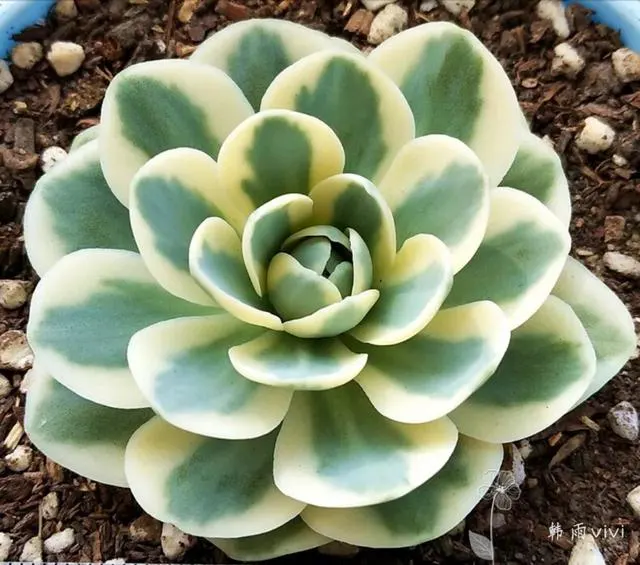
Imagine a plant with small, lotus-shaped rosettes. Its leaves have a striking contrast of white and green and a light dusting of white powder. That’s your Fuji Succulent. When it blooms, it stretches upwards, showcasing its beauty before the cycle of life ends. This moment is critical: remove the flower stalk early to preserve your plant.
Ideal Living Conditions
Fuji Succulents crave cool, airy, and lit environments. They’re like the cool side of the pillow on a warm night. These plants thrive in long daylight, at 15°C to 25°C. They prefer dry soil and dormant summers. In winter, they ask for little water, especially when temperatures dip below 3°C, to avoid frost damage.
Growing Your Fuji Succulent
The Right Soil Mix
Mix peat, perlite, and pumice in equal parts (1:1:1) for the perfect home. Then, layer the top with granular, clean river sand (3-5 mm) to keep it from touching the wet soil . This setup ensures your plant’s roots breathe well and stay healthy.
Watering
Watering your Fuji Succulent is like a dance—it’s all about timing. Wait until the soil is completely dry before giving it a thorough soak. This “dry-to-drench” approach is crucial, especially in avoiding root rot.
Sunlight and Shade
Fuji Succulents enjoy the sun, but not all the time. During their growth periods in spring and autumn, they can bask in full daylight. Come summer, they prefer a bit of shade, just enough to keep them from overheating. This balance helps them maintain their vibrant colors and compact shape.
Propagation: Keeping the Legacy Alive
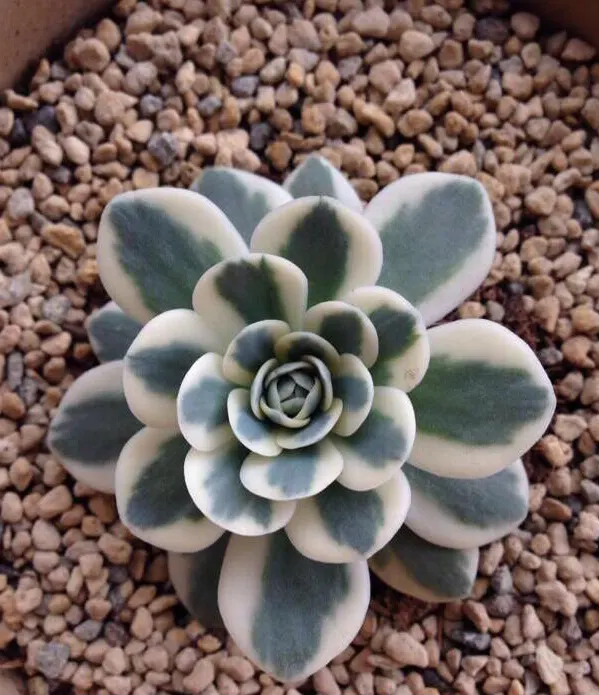
Fuji Succulents propagate through basal shoots. These shoots emerge after someone cuts off the plant’s head. This might sound drastic, but it’s a natural part of their lifecycle. Decapitation and side shoot growth are your go-to methods here. Remember, patience and a gentle touch are key.
The Art of Cultivation: Tips and Tricks
Summer Care
Summer can be tough. Keep your Fuji Succulent in indirect sunlight and ensure good air circulation. Water judiciously—too much can lead to rot, but too little can dehydrate your plant. If in doubt, opt for a soaking method that keeps the soil moist enough.
The Perfect Potting Mix
Your Fuji Succulent’s home should mimic its natural habitat. The peat, perlite, and pumice mix has good drainage and air flow. River sand covers it. These are critical for preventing root rot and ensuring healthy growth.
Key Takeaways for Healthy Fuji Succulents
-
Keep an eye on the watering: Let the soil dry out before watering .
-
Ensure good air circulation and moderate sunlight, especially during the hot months.
-
Be ready to act if you notice yellowing leaves—a sign of overwatering. Remove the affected parts, and let the plant heal in a cool, ventilated spot before repotting in dry soil.
Conclusion
Growing Fuji Succulents is rewarding. It combines the art of care with the beauty of nature. These plants need specific soil, water, and light care. Mastering their care is uniquely satisfying. As you learn to balance their needs, you’ll find yourself not just a gardener, but a curator of living art.
This journey teaches patience. It also teaches observation and adaptability. These are qualities that go beyond gardening and into everyday life. With this guide, you can nurture your Fuji Succulents. You can grow them into thriving, beautiful specimens. Embrace the challenge. Enjoy the process. Welcome the calm beauty of Fuji Succulents into your home and heart. Happy gardening!



Leave a Reply