Ferns have an ancient lineage and elegant foliage. They have been a mainstay in both wild and home environments for millions of years. Their widespread presence raises a key question for pet owners and health-conscious individuals. Are ferns toxic to cats? And, by extension, to humans?

Are Ferns Toxic to Cats?
People know cats for their curiosity. They often come into contact with many plants, including ferns. This interaction is a big concern. It is especially true for indoor cats that may have little plant exposure. When considering if ferns are toxic to cats, it’s key to know that ferns are diverse. They include many species, each with its own toxicity.

Most ferns contain toxic substances. These include enzymes like cyanogenic glycosides and thiaminase. Thiaminase destroys Vitamin B1 in the body. They also include compounds like saponins. These substances can cause bad reactions in cats. The reactions can range from mild to severe. The severity depends on the fern species and the amount consumed.
Specific Fern Species and Their Effects
Most ferns are toxic. They cause stomach upset and discomfort. But, certain species like the bracken fern and the true maidenhair fern are toxic. Eating these can lead to serious health issues. They can even cause death. For example, eating 25 grams of the true maidenhair fern could kill smaller animals. The bracken fern is one of the most poisonous plants in some regions.
It is known to cause tumors and carcinomas in the stomach and esophagus.
Researchers know it causes tumors. It also causes carcinomas in the stomach and esophagus.
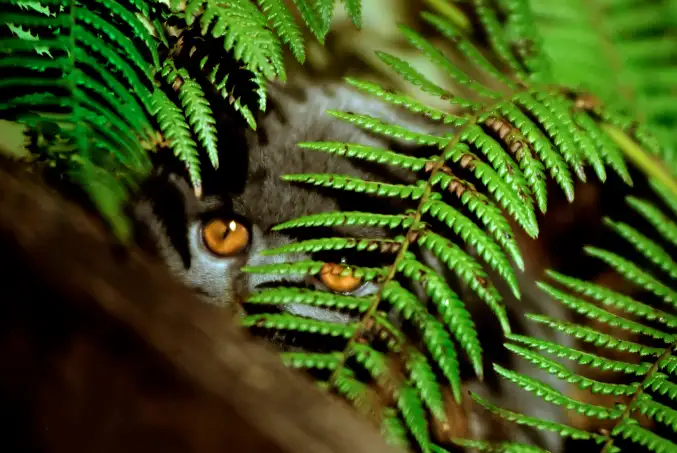
Conversely, some ferns pose less risk. Species like the Boston fern and the staghorn fern are safe for cats. The Boston fern is Nephrolepis exaltata and the staghorn fern is Platycerium. They are not toxic. Even with these safer varieties, cat owners should check their pets. They should prevent them from eating plants.
Recognizing and Treating Fern Toxicity in Cats
Ferns can hurt cats. Symptoms include: diarrhea, bloody vomiting, lethargy, dilated pupils, and abdominal pain. Also drooling, trembling, seizures, and trouble breathing. In severe cases, toxicity can be fatal.
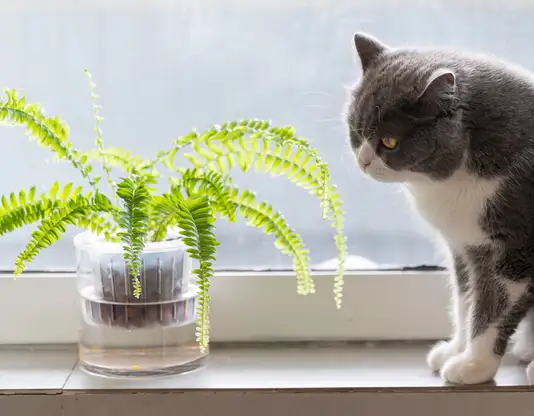
If you suspect your cat has ingested a toxic fern, immediate action is crucial. Remove any plant bits from the cat’s mouth and body. Then, consult a vet ASAP. Treatment involves reducing toxin absorption. One can achieve this by inducing vomiting or using activated charcoal. Treatment also involves supportive care. This care includes protecting the stomach and giving pain relief and anti-inflammatory drugs.
The Safety of Ferns for Humans
Ferns are usually safe for humans to have around. Many types of ferns, like the bird’s nest fern and the lady fern, are safe even as houseplants. But, some ferns, like the bracken fern, contain more toxins and can be harmful if eaten in large amounts. In such cases, people may have anything from stomach upset to more serious reactions. But, these reactions are rare.
Peace Lilies: A Clarification
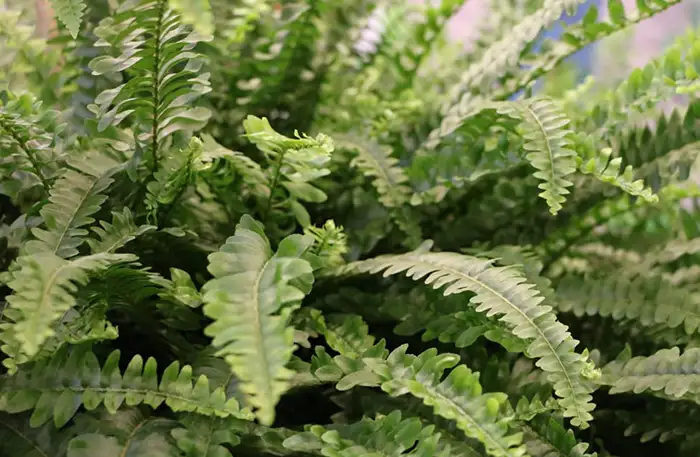
It’s important to distinguish ferns from peace lilies. They are often confused because they look similar. Peace lilies are not true ferns. They contain different toxic compounds. These can harm cats or humans if eaten. Peace lily poisoning causes mouth and stomach irritation. This leads to drooling, vomiting, and diarrhea.

Preventive Measures and Safe Alternatives
For cat owners and families, being proactive about plant safety is key. Consider choosing cat-friendly plants or placing potentially harmful plants out of reach. If you’re very concerned about your pets or young children, choose ferns that are non-toxic.
Summary
Cat owners should consider if ferns harm their cats. Most ferns might only give cats minor tummy troubles. But, some can pose serious, even fatal, risks. Being aware of these potential dangers is crucial. By learning to recognize unsafe fern types. Cat owners can protect their pets. They can still enjoy these timeless plants. But, they must inform themselves and proceed with care. This approach ensures the safety and happiness of their furry friends.


Leave a Reply