When we decorate our homes with greenery, we must think about everyone’s safety. This includes pets and children. Many people wonder, “Are snake plants harmful to cats, children, and pets?” This helpful guide explores the question in detail. It offers key info and tips for keeping everyone safe.

Learning About Snake Plants
Snake plants are a type of Sansevieria. They are popular in homes for their beauty and air-cleaning ability. They come from tropical West Africa. They are tough plants that can thrive in low-light areas. This makes them a favorite for indoor gardening. But, their saponin toxin, a natural defense mechanism, can pose risks to pets and children.

What is Saponin?
Saponin is a toxin found in snake plants that helps protect the plant from pests. While it’s good for the plant, it can be harmful if ingested by animals or people.
Harm to Cats
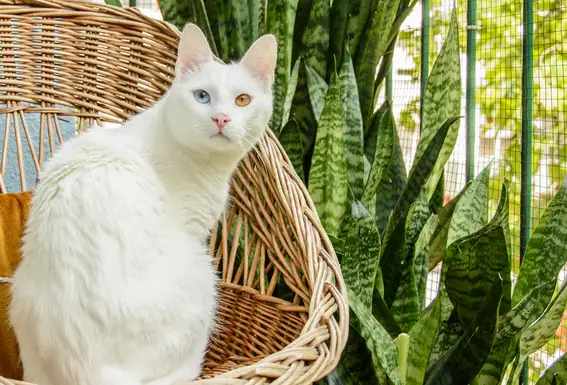
Cats are particularly vulnerable because they like to explore and may chew on plants. If a cat eats snake plant leaves, it can cause:
-
Stomach Problems: Symptoms like vomiting, diarrhea, and feeling sick.
-
Mouth Irritation: Swelling and pain in the mouth, tongue, and throat.
-
Behavior Changes: Signs of sadness, loss of appetite, or tiredness.
Impact on Children and Other Pets
Young children may put plant leaves in their mouths. Dogs and small pets like hamsters and guinea pigs are also at risk. Their symptoms are like those seen in cats, involving stomach issues.
Ways to Keep Cats and Children Safe
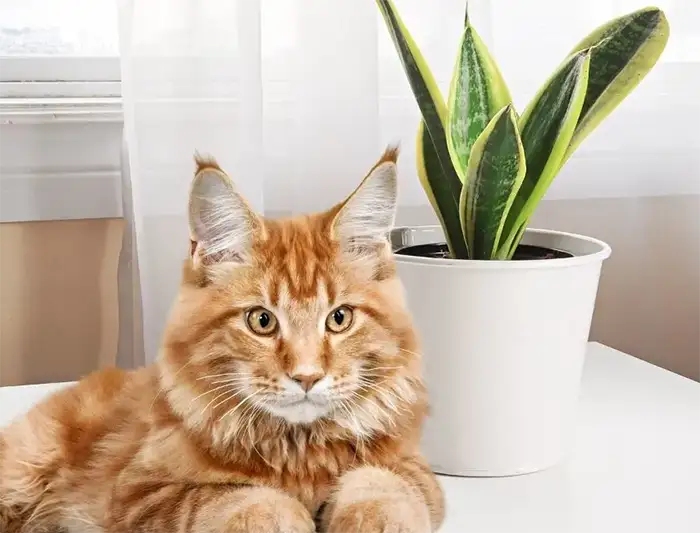
Keeping Cats Away
-
Move the Plant: Place snake plants in rooms where cats can’t reach them or on high surfaces.
-
Use Smells: Put things like citrus peels or vinegar near the plant to keep cats away.
-
Bitter Sprays: Spray pet deterrents on the plant to make it taste bad.
-
Offer Alternatives: Give cats safe grass or toys to chew on instead.
Protecting Children
-
Teach Them: Educate kids about the dangers of eating houseplants.
-
Watch Them: Keep plants in places where adults can see what children are doing.
-
Choose Safe Plants: Pick non-toxic plants for areas kids use often.
Creating a Safe Space for Pets
-
Pick the Right Plants: Choose plants that are safe for pets in areas they go.
-
Check Often: Keep an eye out for any signs that pets are eating plants.
-
Block Off Plants: Use things like plant cages or fences to keep pets away.
Safer Plants for Your Home
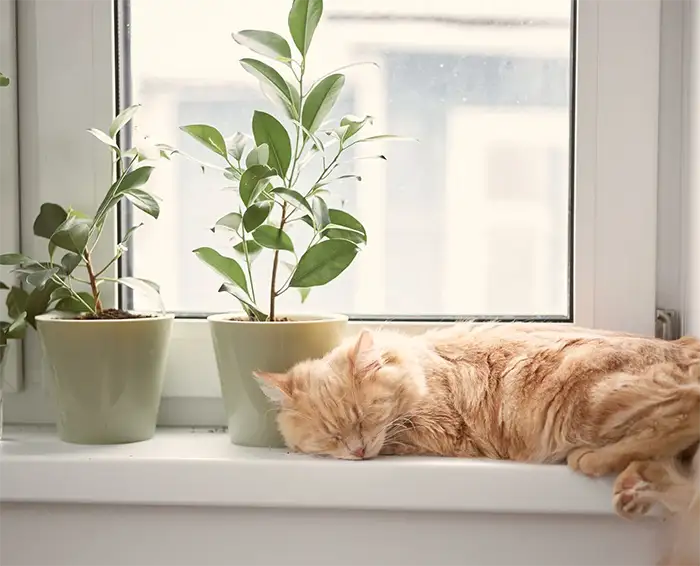
If you want plants that are safe for everyone, consider these options:
-
Spider Plant (Chlorophytum comosum): Cleans the air and safe for pets and kids.
-
Boston Fern (Nephrolepis exaltata): Adds greenery and is non-toxic.
-
Bamboo Palm (Chamaedorea): Likes low light and is safe for everyone.
-
African Violet (Saintpaulia): Pretty flowers without the danger.
If Someone Eats a Snake Plant
If you think a pet, child, or anyone else has eaten part of a snake plant:
-
Check Them: Look in their mouth for plant bits.
-
Watch for Problems: See if they are sick, drooling, or have stomach pain.
-
Get Help: Call a vet or doctor right away, especially if they are very sick.
-
Prevent Future Issues: Think about where you put your plants and if you need safer ones.
Conclusion
In answering the key question: “Are snake plants poisonous to cats, kids, and other pets?” We’ve learned that these plants look nice. But, they can be dangerous to our furry friends and little ones. This guide shows why it’s crucial to be cautious and take steps to keep everyone safe.
By knowing the risks of snake plants and choosing safer options, you can make your home a safe and happy place. Remember, a plant’s beauty should never come before your family’s well-being. This is especially true for your curious cats, playful kids, and other pets.



Leave a Reply