Caring for Baby Toes Succulents is rewarding. It is also intriguing. They are known for their unique appearance. It mimics the cute toes of a baby. Baby Toes Succulents (Fenestraria rhopalophylla) are a fascinating addition to any indoor garden. They care well. It’s distinct but simple. This makes them ideal for both new and experienced plant fans. Let’s delve into an in-depth guide. It emphasizes the beauty of these plants. It also gives you the knowledge to ensure they flourish under your care.

Comprehensive Baby Toes Succulent Care Guide
Introduction to Baby Toes Succulent
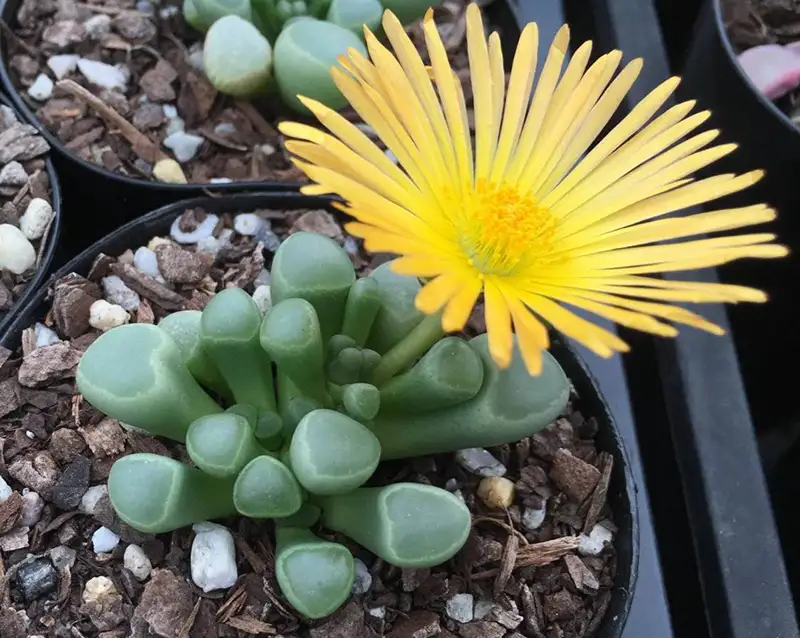
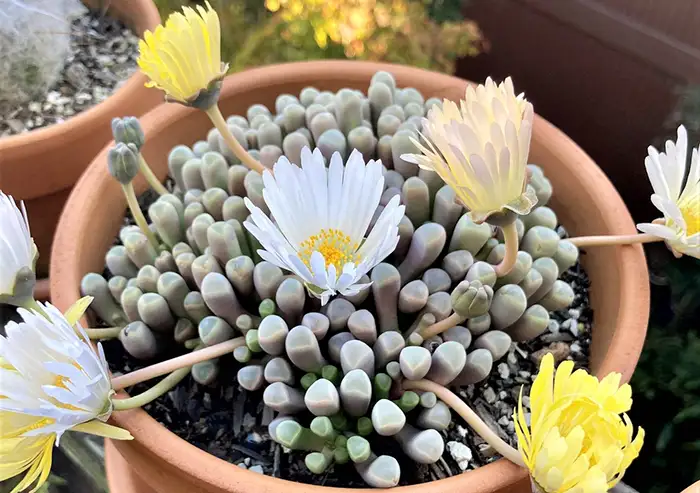
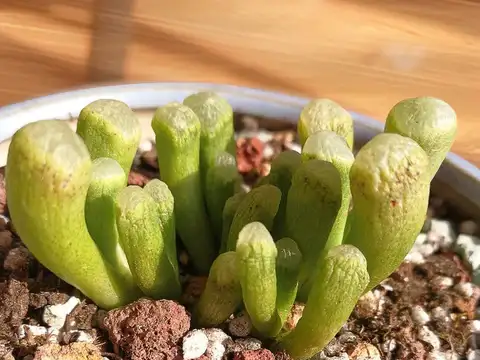
People celebrate Baby Toes for their succulent nature. They form dense clusters that captivate onlookers. The fleshy, rod-like leaves stand almost . They create an eye-catching display with a cluster that is about 10 centimeters wide. Their roots are thin, contrasting with the robust appearance of the leaves. Baby Toes Succulent has a striking feature. It’s the light green leaves with a slight red hue at the base. They end in a transparent “window” at the tip. This window lets sunlight in for photosynthesis. They are easy to propagate and grow fast. They have a unique form and can produce beautiful flowers. These traits make them an excellent choice for small indoor pots.
Optimal Lighting for Baby Toes Succulent
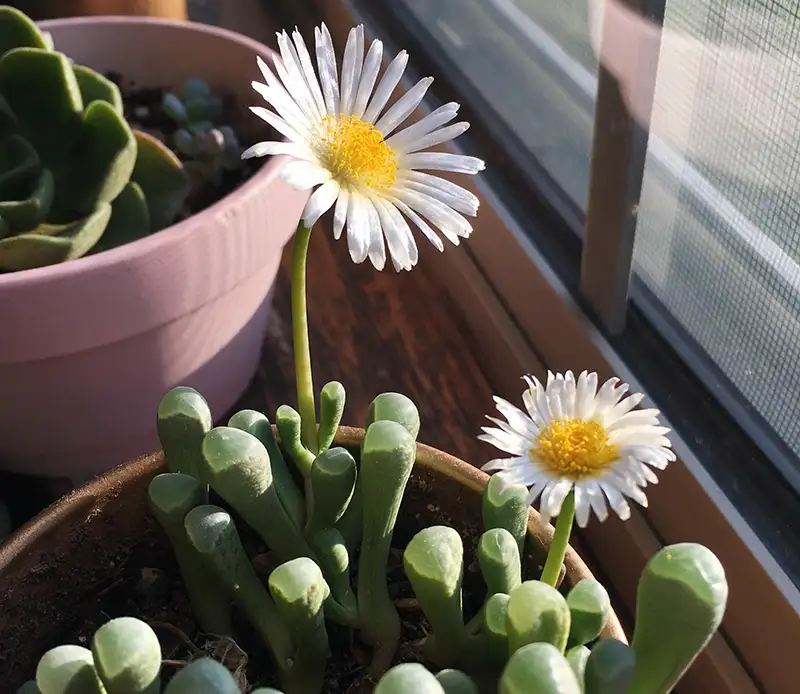
One key part of caring for Baby Toes Succulents is providing the right light. These plants relish light but must protection from prolonged direct sunlight exposure. During their growth seasons (autumn, winter, and spring), put them on a south-facing indoor balcony. This will give them 3 to 4 hours of sunlight each day. They will also get plenty of indirect light. This arrangement prevents leaf burn, ensuring the leaves remain compact and vibrant.
Effective Watering Techniques
Watering Baby Toes Succulent demands a nuanced approach. The best method is the “soak and dry” technique. The soil completely dries before soaking it. This method mimics the dry environment where Baby Toes Succulent grows. It stops the common issue of overwatering. Using pots with good drainage. Also, spacing out watering are key. They help avoid root rot.
Nutrient Management through Fertilization
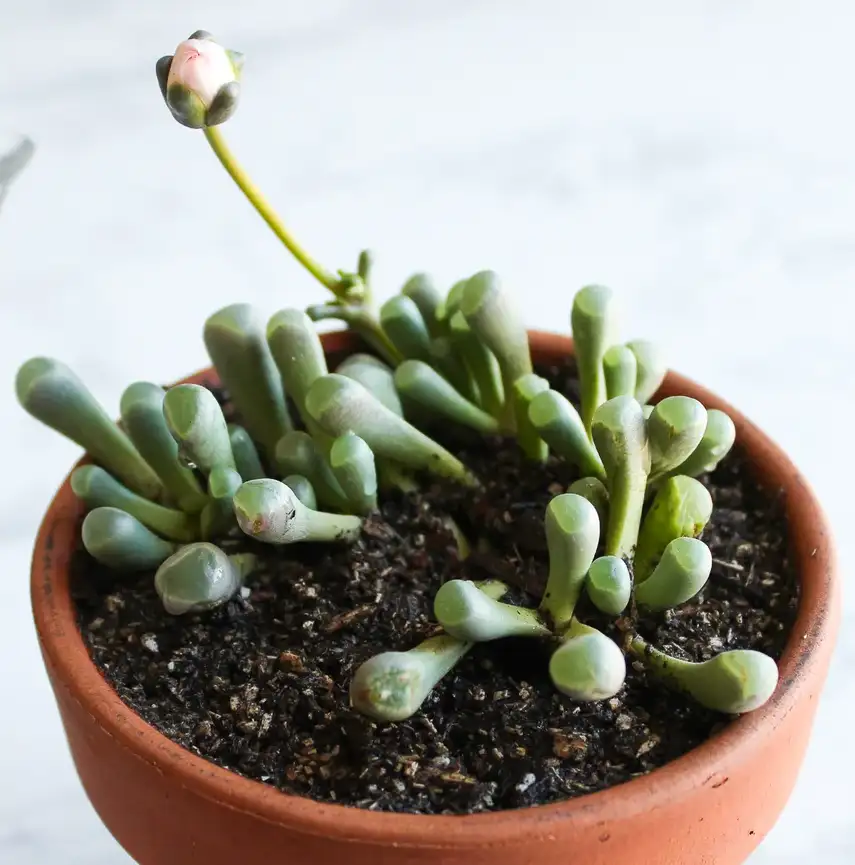
Fertilizing Baby Toes Succulent is a delicate balance. It supports their growth without overwhelming them. Integrating fertilization with watering is key. You can use either granular fertilizer dissolved in water or liquid fertilizers. This process encourages healthy development. Choose light, frequent fertilizer applications. Tailor the schedule to the plant’s growth phases. Do this about 5 to 6 times a year.
Preventive Care and Maintenance
Maintaining the health of Baby Toes Succulent involves several precautionary measures:
-
Shield them from rain. Also, avoid watering in humid conditions. This will prevent fungal diseases.
-
In cold regions, especially in the north with indoor heating, adjust watering. Do this to keep the plants hydrated but not waterlogged.
-
During summer, refrain from watering above the plant. Use the immersion method . This prevents over-saturation and ensures the soil has enough air.
-
Watch the plant for signs of dehydration, like wrinkled leaves. Adjust your watering schedule to keep the moisture at the best level.
-
A daily dose of 5 hours of sunlight is ideal. But, avoid too much sun to prevent fading and plant stress.
Cultivating a Thriving Baby Toes Succulent
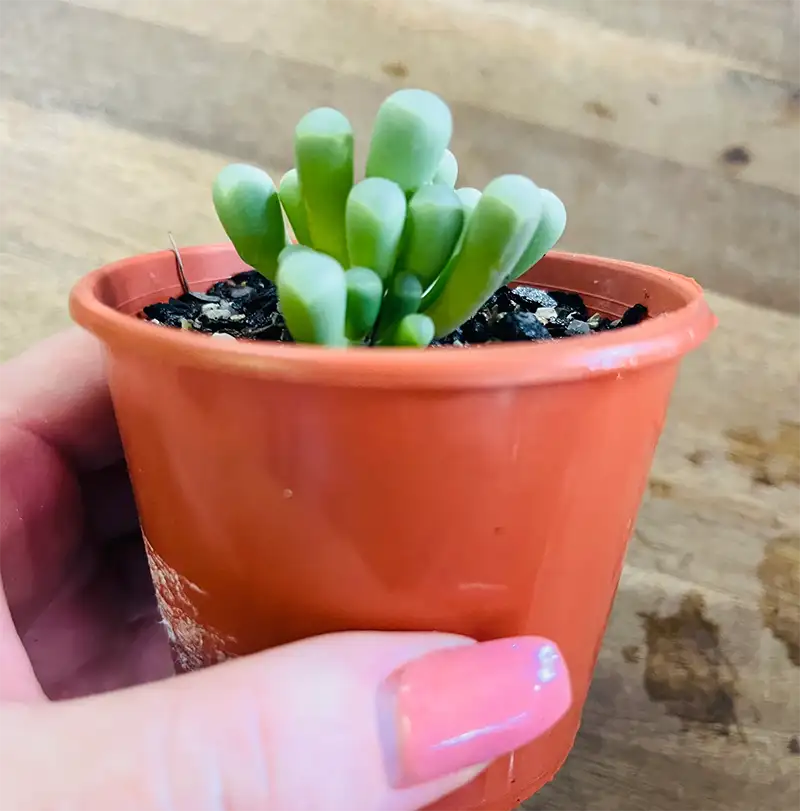
Choosing the right pot and soil mix plays a critical role in Baby Toes Succulent care. Choose small pots with drainage holes. They prevent water retention. Use a well-draining cactus or succulent mix. It fosters healthy root growth. Regularly inspect your plants for pests and diseases. Treat them to avoid spread.
Conclusion
Follow the guidelines in this care guide. They will ensure your Baby Toes Succulents not only survive but thrive. The plants will add a unique and fascinating element to your indoor garden. You may be a seasoned gardener or new to succulents. The journey of Baby Toes Succulent care is full of rewards and learning.


Leave a Reply