Gardeners are always exploring natural materials to enrich their soil. They hope to foster vibrant plant growth. Charcoal is one of these. It stands out and offers many benefits for the garden. Its dark, chunky appearance makes charcoal recognizable. It comes from the burning of wood. This sets it apart from wood ash, which comes from the burning of various plants. This guide delves into the transformative role of charcoal in gardening. It highlights its composition, benefits, and how to use it to the max.

Understanding Charcoal: The Essential Ingredient
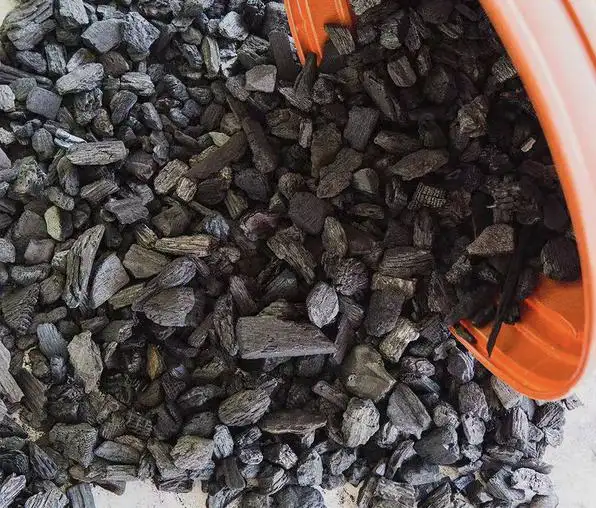
The Nutrient-Rich Composition of Charcoal
Charcoal is not wood ash. It is rich in carbon and full of nutrients. These include potassium carbonate, calcium, phosphorus, and trace elements. These components make charcoal better for plants than wood ash does. They stress the need for careful and targeted use to get all its benefits. Urban gardeners might find charcoal hard to get. But, it is cheap and invaluable in rural areas.
The Multifaceted Benefits of Charcoal in Gardening
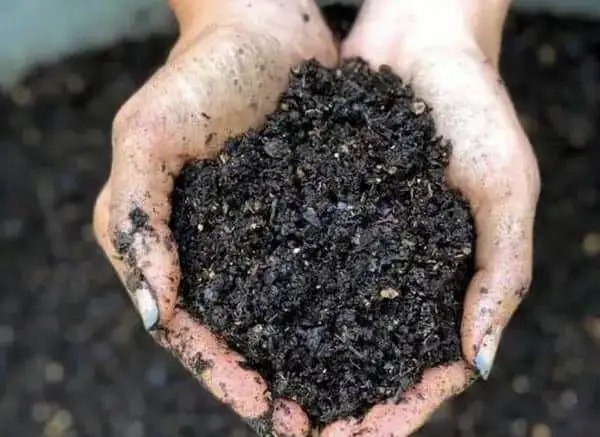
Enhancing Soil Structure and Plant Health
The holes in charcoal are key. They help soil get air and drain water, which are vital for healthy roots. Gardeners can add charcoal to the soil. This enhances moisture and nutrients. It creates an ideal home for helpful microorganisms. Also, charcoal helps reduce soil erosion. It prevents too much moisture and root rot. It suppresses harmful microbes in the soil. This helps plants take up nutrients well. It also boosts their resistance to pests and diseases. This improves their resilience.
Charcoal: A Boon for Specific Plant Needs
Charcoal helps plants with special needs. These include plants that need high potassium levels. Also, plants with bulbs and those sensitive to soil pH changes. It is valuable as a soil amendment. It is useful in many types of gardens.
Optimizing Charcoal Use in Gardening Practices
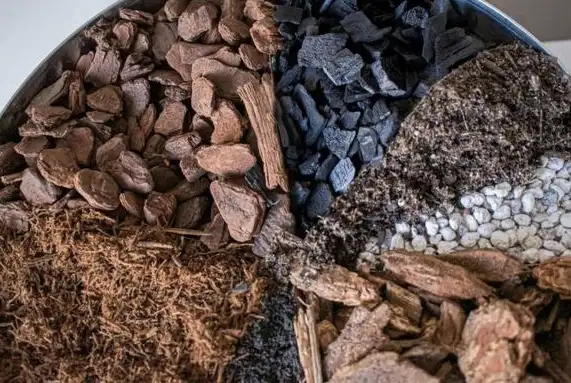
Fertilization and Soil Improvement Strategies
As a Base and Top Fertilizer
Charcoal’s use goes beyond soil amendment. It can be a good base fertilizer when buried at the soil’s base. It can also be a top dressing or foliar feed. It is compatible with fertilizers and nutrient solutions. This is especially true when soaked before application. Soaking enhances its nutrient retention. This provides a slow-release effect that nourishes plant growth. But, gardeners must recognize that charcoal’s benefits unfold . It reinforces its role as a soil improver, not a standalone planting medium.
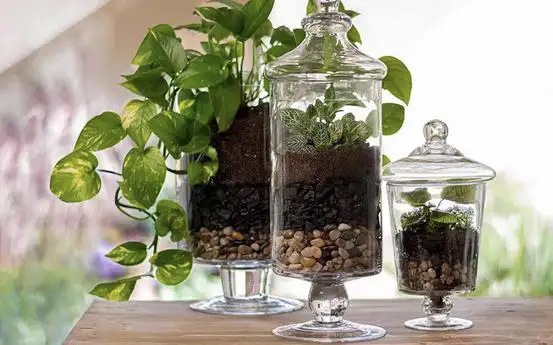
Boosting Soil Aeration and Drainage
Adding broken charcoal to soil improves its aeration and drainage. This ensures better water infiltration and prevents waterlogging.
Natural Pest and Disease Management
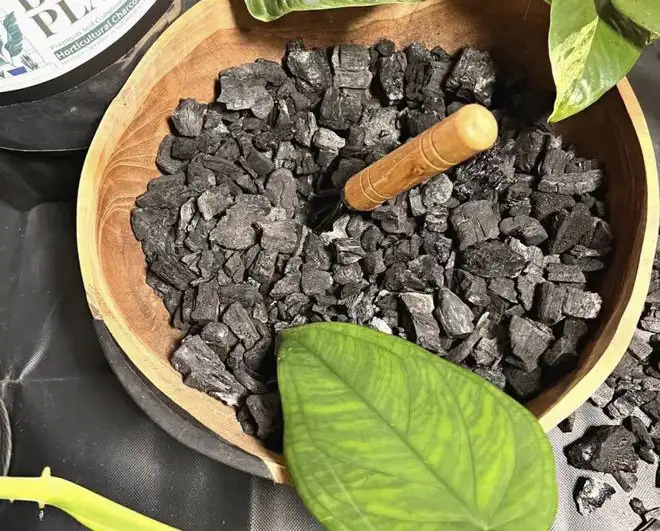
Powdered charcoal, when mixed with soil, deters soil-borne diseases and pests. It offers an organic option to chemical pesticides. This method is particularly appealing to gardeners favoring minimal synthetic chemical use.
Enhancing Fertilizer Efficiency with Charcoal
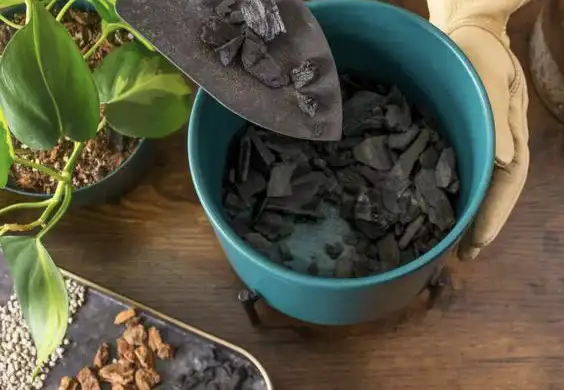
Mix crushed charcoal with organic fertilizers. Let it soak before use. This can boost fertilizer efficiency. It ensures a slow, sustained release of nutrients.
Innovative Applications of Charcoal
Leaf and Soil Surface Treatment
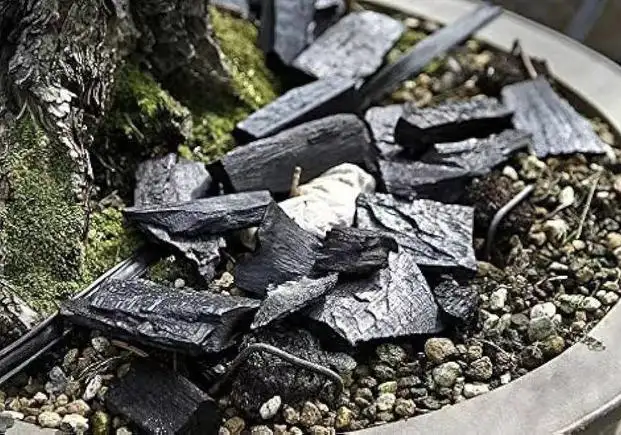
Spray diluted charcoal powder on foliage. It protects against fungi and pests. Use larger charcoal chunks as mulch. They suppress weeds and keep moisture.
Key Considerations for Effective Charcoal Use
-
-
Charcoal is alkaline. It needs cautious use, especially with plants that like acidic soil.
-
Crushing charcoal makes dust. This requires safety measures. For example, wearing a mask and avoiding wind during use.
-
Adding charcoal to gardening boosts soil and plant growth. It also fits sustainable gardening principles. This guide gives strategies. Gardeners can use them to understand and use the power of charcoal. This will help their gardens thrive while being .




Leave a Reply