Philodendron Erubescens is a popular houseplant renowned for its unique beauty and easy maintenance, making it a favorite for enhancing living spaces. This article explores the significance, planting methods, and care tips for Erubescens in detail.

I. Understanding Philodendron Erubescens
-
Characteristics and Origin
A member of the Araceae family, Erubescens originates from the tropical forests of South America. In its natural habitat, it can grow up to 60 feet (18m) and sometimes becomes entirely epiphytic if damaged. However, as an indoor plant, it typically reaches about 3 feet (1m) and is relatively easy to care for.

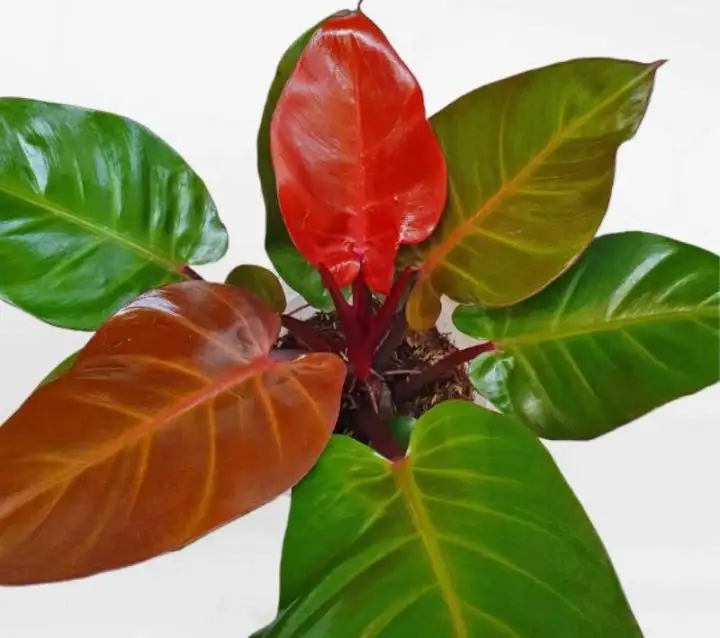
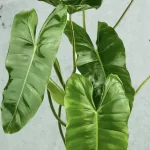
The plant’s leaves grow from the base, closely hugging the stem, with each plant having 6 to 8 oval and pointed leaves. Depending on the variety, the leaves of Erubescens can vary in color from yellow, red to green.
This versatility allows it to be grown in soil or hydroponically in water, making it a popular choice for office and shop decorations due to its aesthetic appeal.
-
Varieties of Philodendron Erubescens
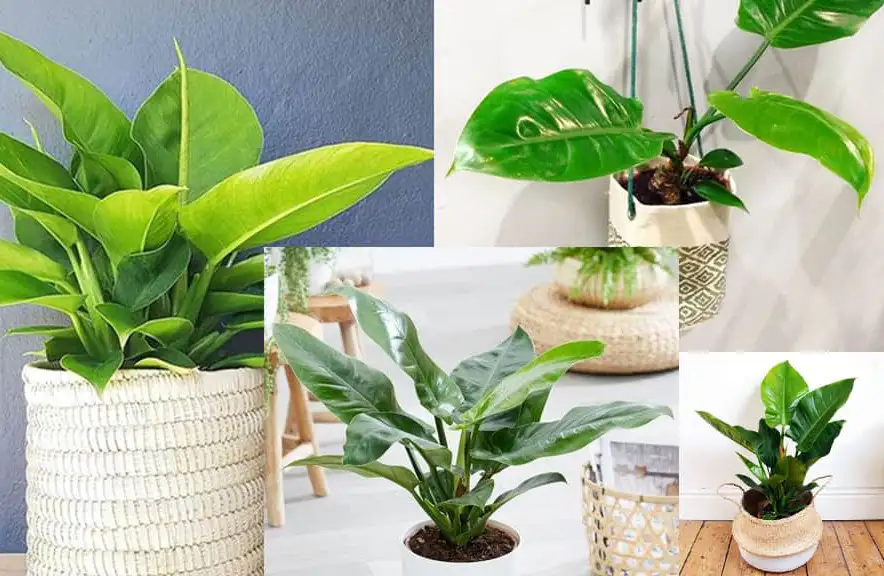
There are several types of Erubescens, each with unique sizes, shapes, and colors. The three most common varieties are:
Philodendron Erubescens Red Emerald
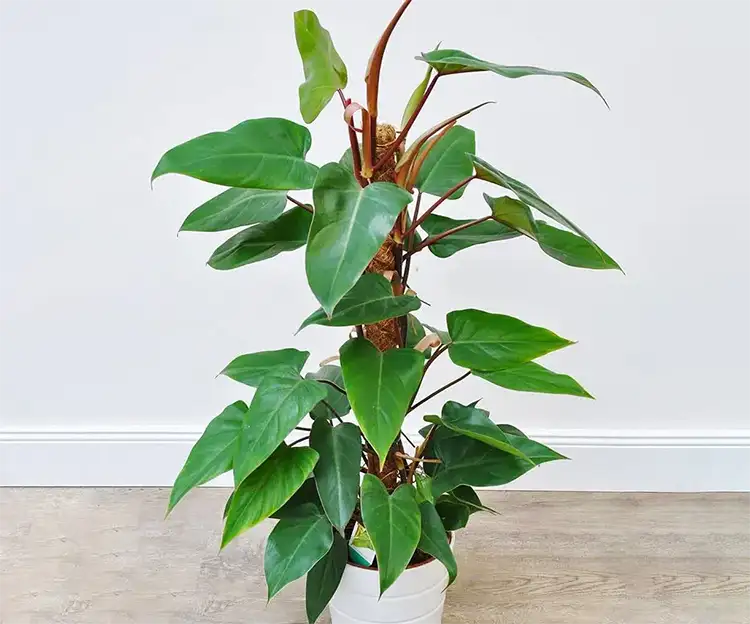
The Philodendron Erubescens Red Emerald is essentially another name for the Philodendron Erubescens. It is often referred to simply as the Philodendron Red Emerald. This variant is known for its vibrant red stems that contrast beautifully with the dark green, glossy leaves, giving it a striking appearance. Despite the different naming, the care required for the Red Emerald variant does not differ significantly from the standard Philodendron Erubescens.
Philodendron Erubescens Golden
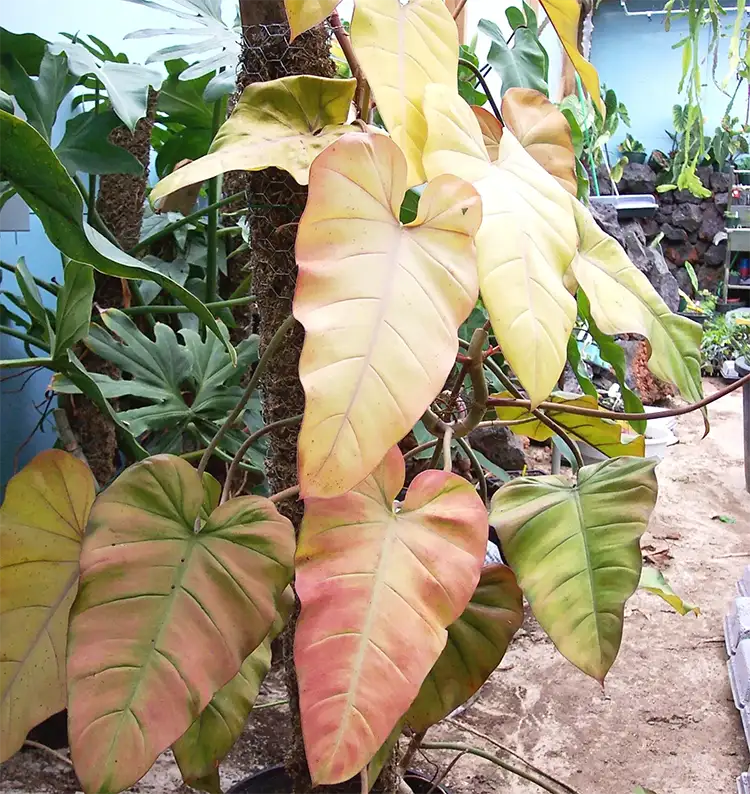
The Philodendron Erubescens Golden, as the name suggests, is a variation of the Philodendron Erubescens featuring golden, yellow, or light green leaves. This adds a bright, vibrant look to the plant, making it a unique addition to any plant collection. The care for the Golden variant mirrors that of the original Philodendron Erubescens, requiring similar light, water, temperature, and humidity conditions to thrive.
Philodendron Erubescens New Red
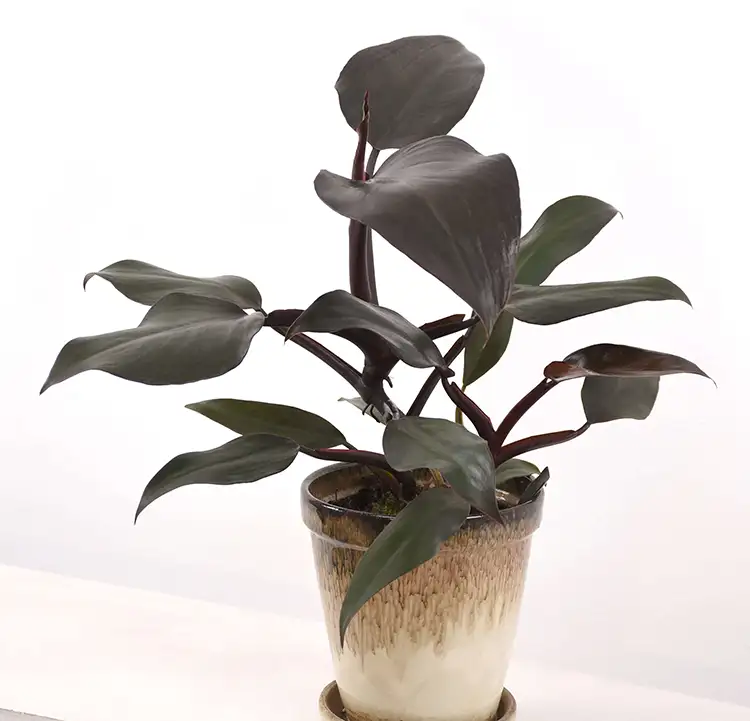
The Philodendron Erubescens New Red is distinguished by its very dark, red-tinted leaves that appear almost shimmering. This variant adds a dramatic flair to the Philodendron family with its unique coloring. Like the other variants, the New Red’s care requirements align closely with those of the standard Philodendron Erubescens, ensuring that if you are familiar with the basic care of the Erubescens, you will be able to care for the New Red variety without any additional hassle.
-
Is Philodendron Erubescens Toxic?
Despite its many health and psychological benefits, Erubescens is toxic and can be fatal if ingested. However, it poses no harm if used for decoration or touched. Care should be taken in homes with pets or small children to place the plant out of reach.
II. The Meaning and Utility of Philodendron Erubescens
-
Feng Shui Significance
Philodendron Erubescens is cherished not only for its elegant and sophisticated appearance but also for its auspicious meanings. According to Chinese Feng Shui principles, this plant is particularly suited for those associated with the Wood element. It is believed to bring prosperity, facilitate smooth progress in business endeavors, attract good fortune, wealth, and overall abundance.
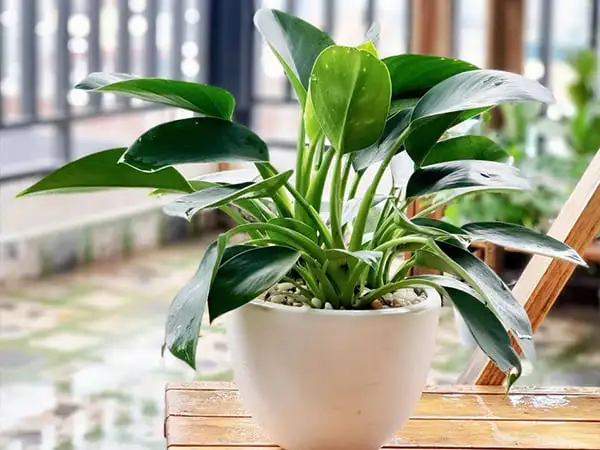
Moreover, cultivating and caring for the Erubescens Golden variety is said to be crucial for its optimal growth and development. Ancient beliefs suggest that a healthy, thriving plant with vibrant green leaves can attract financial prosperity. Conversely, a wilting plant might be an omen of challenges and misfortune.
Due to its association with prosperity and luck, Philodendron Erubescens is often given as a gift during business inaugurations, promotions, or housewarming events, signifying good wishes for success and fortune.
-
Practical Uses
Beyond its Feng Shui benefits, Erubescens offers several practical uses that make it a favorite for indoor planting.
- Air Purification: It has the remarkable ability to purify indoor air by absorbing toxins from its surroundings. This contributes to a pleasant and fresh environment, enhancing concentration, memory, and overall mental well-being, thus boosting productivity.
- Reducing Electronic Heat: The plant also plays a role in mitigating the heat emitted by electronic devices, making it a beneficial addition to any office or study space.
- Aesthetic Appeal: With its compact and charming appearance, Philodendron Erubescens is ideally suited for potting and display on study desks or work tables. It not only purifies the air in your work area but also serves as a source of inspiration and motivation, enhancing focus and clarity of mind.
III. Caring for Philodendron Erubescens
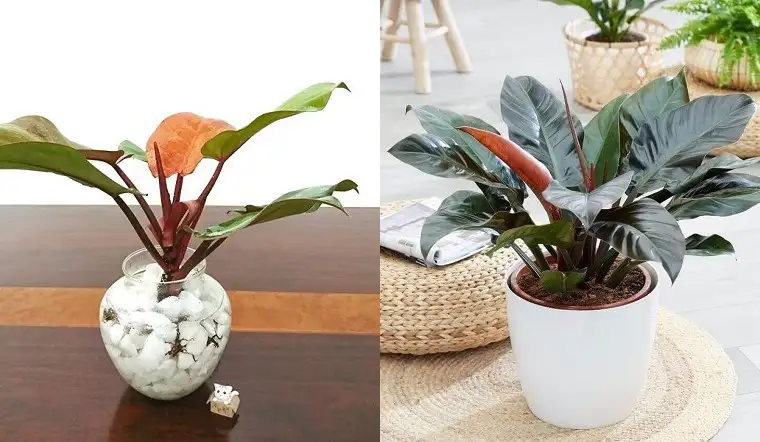
Erubescens is less tolerant of cold and dry conditions compared to other types of Philodendron. However, with sufficient warmth, these plants thrive, showcasing large and beautiful leaves
Ideal Soil for Philodendron Erubescens
Understanding the Philodendron Erubescens
The Philodendron Erubescens grows naturally as a hemiepiphyte, meaning it starts its life as an epiphytic plant. Its aerial roots slowly grow towards the ground to anchor itself. Due to this unique growing condition, the roots of the Philodendron Erubescens are not well adapted to living in standard potting soil. They require constant oxygen supply, which is hard to achieve in typical potting soil, leading to root rot.
Recommended Soil Type

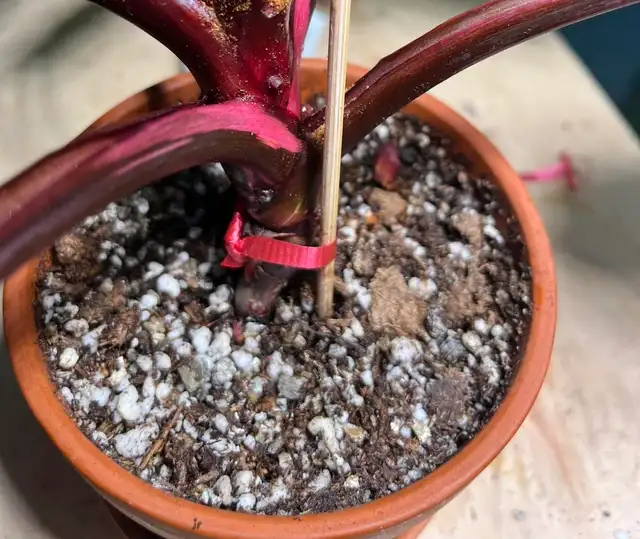
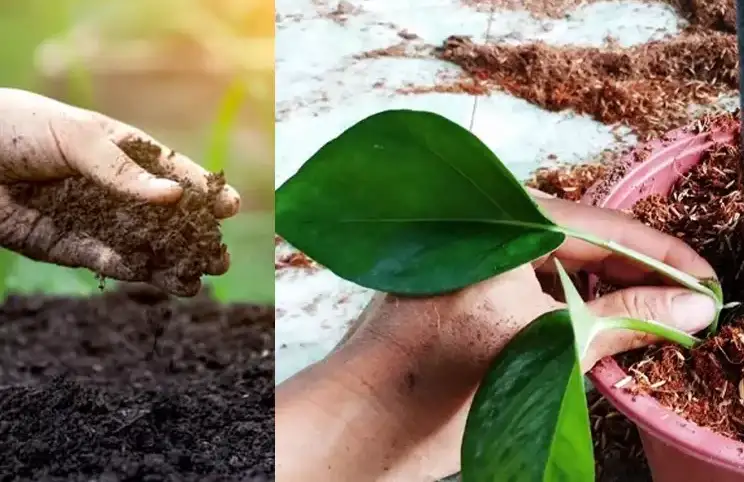
To prevent issues, plant your Philodendron Erubescens in a coarse, airy substrate. The substrate should not retain too much water to avoid root rot. For those not interested in mixing their own substrate, opt for a mix specifically designed for Philodendrons or Aroids, which is tailored to their needs. Alternatively, you can create your own mix using regular garden or potting soil combined with sand or perlite and bark chips for drainage. Adding charcoal and compost is beneficial as they enrich the soil with nutrients and have antibacterial and antiviral properties.
Watering Your Philodendron Erubescens

Watering Frequency
This plant type is susceptible to root rot, so water only when necessary. Philodendron prefers moist soil but waits to water again until the top 2-5 cm of soil is dry. Use your finger or a stick to check the moisture level. While the Philodendron Erubescens doesn’t like dry soil, it tolerates it better than overly wet conditions, especially in high humidity. Thus, it’s better to under-water than over-water. When watering, mimic the heavy rainfall common in its native Colombian rainforest, but ensure to drain excess water to avoid waterlogging.
Lighting Needs for Philodendron Erubescens
Optimal Lighting Conditions
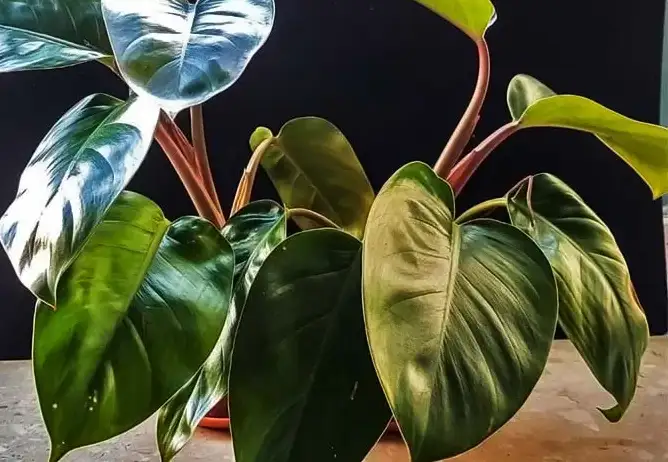
Despite naturally growing in the shade, the Philodendron thrives in bright, indirect sunlight indoors. Windows filter out up to 40% of sunlight; however, avoid direct sunlight to prevent leaf burn, leading to unsightly brown spots. If using a plant light, maintain a minimum distance of 60 cm to prevent burns. Note that while it can grow in darker places, its growth will be significantly slower and less healthy.
Ideal Temperature for Philodendron Erubescens

Temperature Preferences
Originating from the tropics, this plant loves high temperatures, thriving in conditions over 20°C, with optimal temperatures between 23°C and 27°C. While it can grow in temperatures below 20°C, the growth will be slower, and the leaves will be smaller. Ensure temperatures do not drop below 14°C to avoid irreversible damage.
Humidity Requirements
Maintaining Proper Humidity
Being a rainforest plant, the Philodendron is accustomed to high humidity levels. Aim to keep indoor humidity above 60%, ideally between 70-85%. While it can survive lower humidity levels, growth will be slower and less robust.
Fertilizing Philodendron Erubescens
Fertilization Frequency
Due to its rapid growth, the Philodendron needs plenty of nutrients. While proper substrate choice can provide initial nutrition, additional fertilization promotes better and faster growth. Use a specialized Philodendron fertilizer for best results, or dilute a standard fertilizer. Never apply fertilizer directly to the plant; always dilute it with water to prevent root burn. Reduce fertilization in winter as the plant’s growth slows down.
Repotting Philodendron Erubescens

When to Repot
Expect to repot your Erubescens annually during its younger years due to rapid growth. As the plant ages, repotting can be done less frequently. Repotting is crucial to provide enough space for root growth and to prevent roots from becoming compacted.
IV. Pest and Disease Prevention
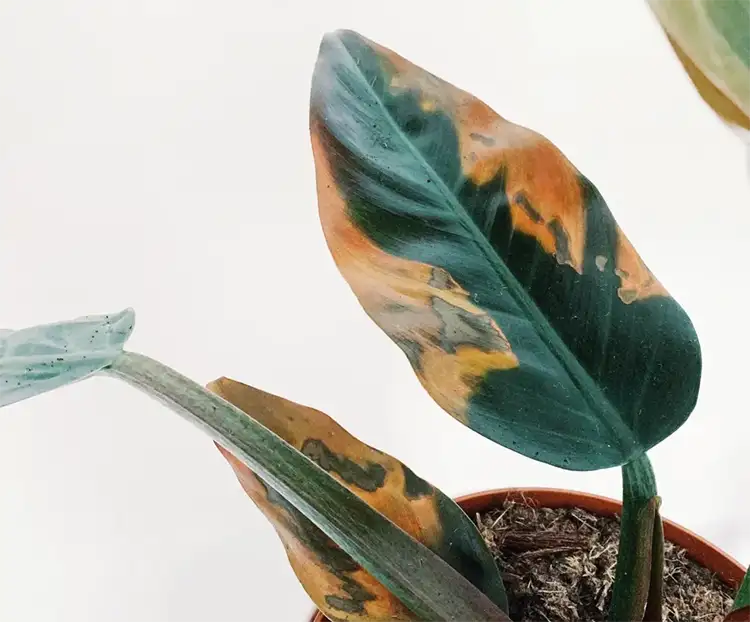
Philodendron Erubescens, with its robust vitality and resistance, rarely succumbs to diseases. However, inadequate care can lead to stunted growth:
- If the plant becomes stunted or sheds leaves, increase its exposure to light, possibly sunbathing it for at least two hours a day.
- If leaf burn occurs, move it to a cooler, shaded area or use a shade cloth.
- Yellowing and leaf drop may indicate natural shedding or overwatering. Check the soil’s moisture level.
V. Planting Philodendron Erubescens
Soil Planting
-
- Preparation: Choose healthy saplings or propagate Philodendron from cuttings. Select a suitable pot, either glass or ceramic, that fits the size of the plant and the intended location.
- Soil Mixture: Use pre-mixed soil or a blend of 60% soil, 30% burnt rice husk/coconut coir, and 10% compost.
- Planting Process: Place a thin layer of gravel at the pot’s bottom for drainage, fill half the pot with soil, place the plant in the center, and then add soil up to 1 cm below the rim. Water the plant and keep it in a shaded area for care.
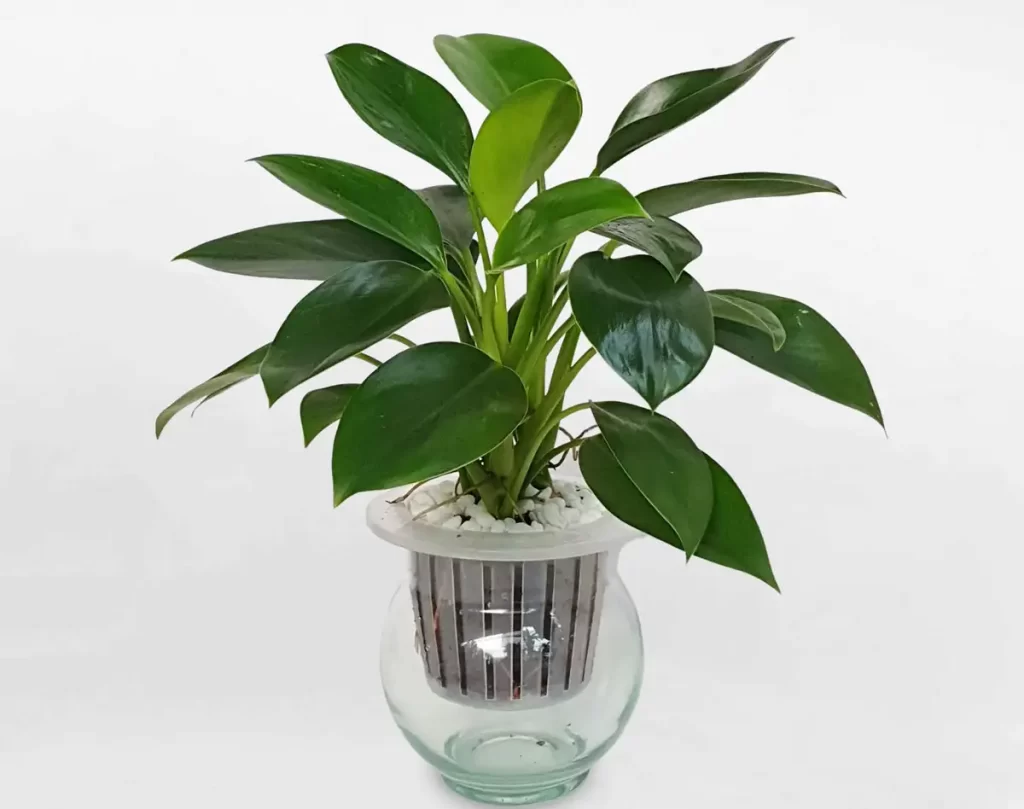
Hydroponic Cultivation
-
- Preparation: Select a plant with well-developed aerial roots, vibrant leaves, and use a glass container for optimal photosynthesis.
- Water: Use clean, natural water sources like rainwater or river water. If using tap water, let it sit for 2-3 days before use.
- Additional Items: Decorative gravel, foam, and hydroponic solution.
- Planting Process: Add decorative gravel to the container, secure the plant with foam, add prepared water without submerging the roots entirely, add a few drops of hydroponic solution, and place the plant in a cool, shaded area.
VI. Conclusion
This comprehensive guide from Xu Farm provides all the necessary information about Philodendron Erubescens. With its beauty, functionality, and symbolic meanings, this plant can significantly enhance the quality of your living space.



Leave a Reply