Philodendron Hastatum is also known as the Silver Sword Philodendron. It is a sought-after decorative plant. It is famous for its unique and captivating features. Its leaves are bluish or silvery-green. They have a glossy, elongated shape and grow upward.
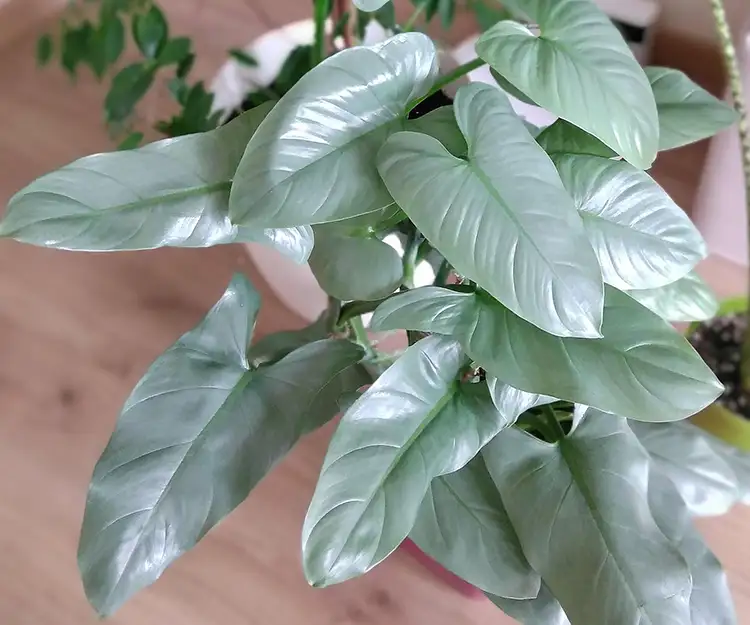
This plant is different from other philodendrons. It shines in light, which makes it rare and desired.
Philodendron Hastatum is a trailing leafy ornamental. It thrives when allowed to climb on poles or creep through shrubs. It offers various cultivation options.
Now, let’s delve into the uses and benefits of Philodendron Hastatum:
It has striking visual appeal. It has a large stem, wide branches, and big leaves. The plant adds an elegant touch to any space. It is simple and elegant. This makes it a popular choice for beautifying living areas.
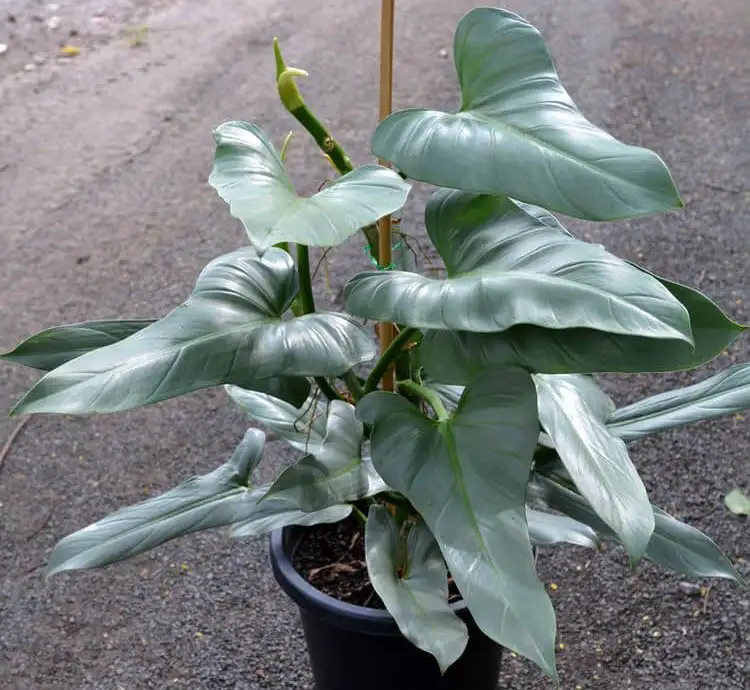
The leaves of Philodendron Hastatum are sword-shaped. A silvery-green hue adorns them. They radiate an irresistible and distinctive charm. This uniqueness places it high on the wish lists of plant collectors and enthusiasts.
Creating a Relaxing Atmosphere: Hastatum’s sword-shaped leaves climb. But, they are also gentle and strong. They contribute to a serene and tranquil ambiance. It can reduce stress and promote relaxation. It is a great addition to your space after a tough day of work or study.
Caring for Philodendron Hastatum
Are you interested in nurturing a Philodendron Hastatum as a decorative plant? If so, there are several vital care tips to remember.
Size & Growth
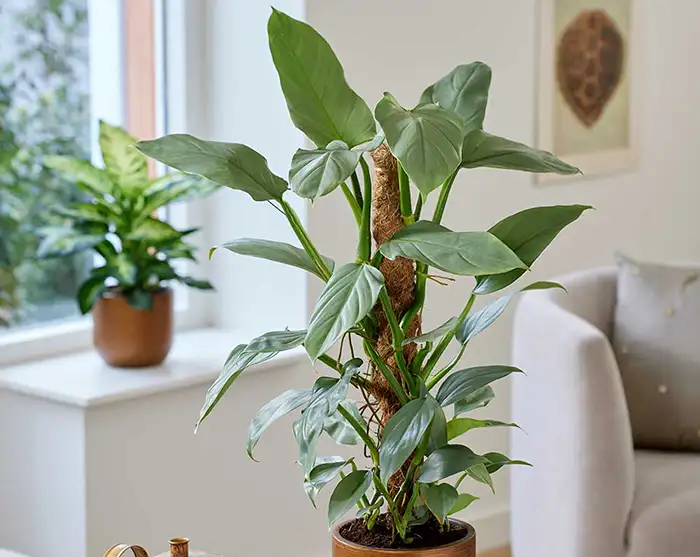
To support the upward growth of Philodendron Hastatum, you need a trellis or stake. This allows the plant to reach its full potential. Or, hanging baskets can also work well.
Ideally, Hastatum can grow up to three meters in height. But, when grown indoors, it tends to stay smaller. This is especially true if you trim it when it gets too large.
Due to its sturdy stem, Hastatum may topple over if the top becomes too heavy. Thus, using strong stakes and pots is essential to support the weight of the plant at the top.
Light
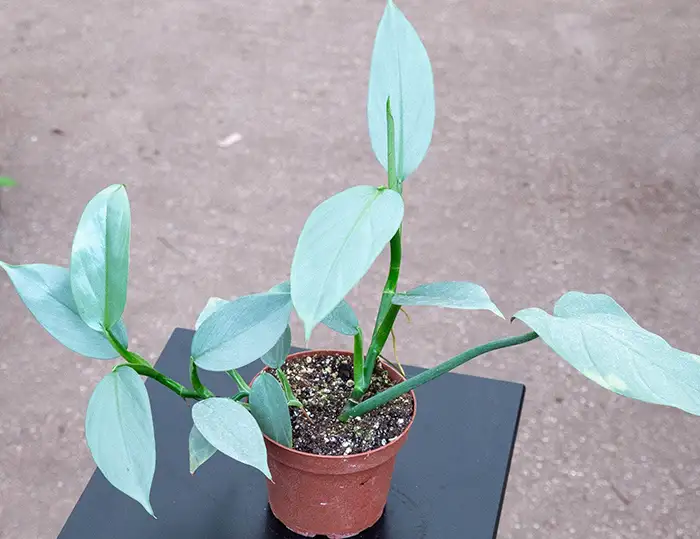
Like other philodendrons, Hastatum thrives in bright light. But, it can also adapt to low light. Its silvery leaves do not fare well when exposed to direct sunlight. Put the plant in indirect light. Or, put it a few meters behind a bright window. This will give it enough light without scorching it. Too much light can make its glossy Philodendron leaves turn yellow. It can also make its stems grow long, showing a lack of light. Leaves may also become smaller.
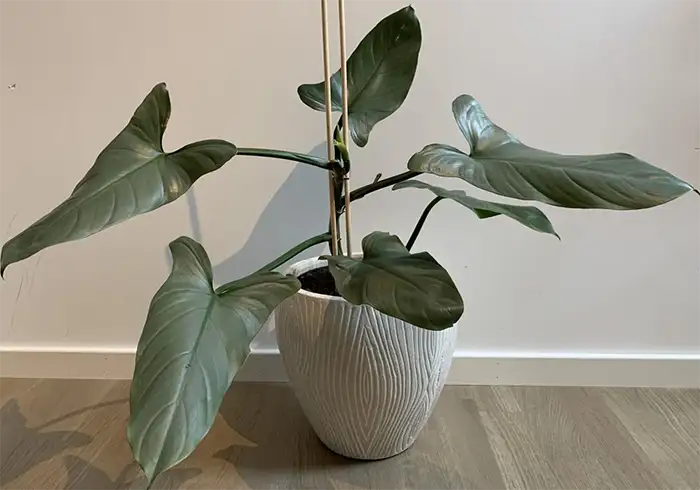
For fuller and thicker growth, ensure your Hastatum receives adequate light. The best approach is to check your home’s lighting. Make sure it gets gentle morning or afternoon sunlight.
Watering
Watering is another crucial aspect of philodendron care. The most important rule is to avoid overwatering. To determine when to water, perform a simple test using one finger. Insert your index finger into the soil up to the first knuckle. If the soil feels moist, skip watering for now; if it’s dry, water the plant .
Ensure that water drains well from the pot. If your pot lacks drainage holes, create some at the bottom using a soldering iron. This ensures excess water can escape from the pot, preventing soil saturation.
Soil Type
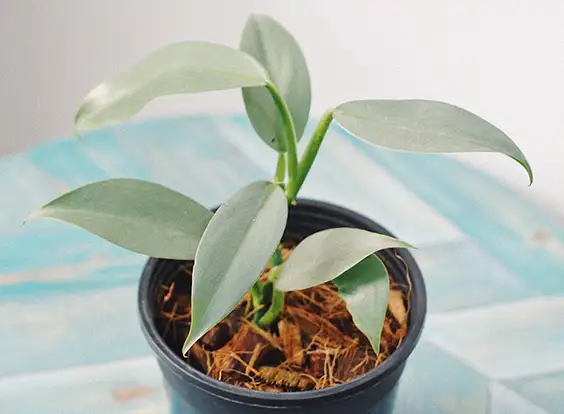
Philodendron Hastatum is an aroid plant. It grows well in well-draining, airy soil. This soil promotes good aeration and reduces water retention. Potting media contain perlite, vermiculite, or peat moss. They are great for improving soil drainage. Most philodendrons can even grow in 100% sphagnum moss. A combination of coconut coir and perlite is also suitable.
You can make your own potting mix or use store-bought media. But, the soil must be rich in organic matter and drain well. Compacted soil that hinders water infiltration can lead to root issues.
Temperature & Humidity
Philodendron Hastatum thrives in warm, tropical places. They have average humidity levels. But, they are sensitive to frost. Keep the plant at a temperature of 18-26 degrees Celsius (64-79 degrees Fahrenheit). If the air in your home feels dry, consider increasing artificial humidity levels. Yellowing leaves and wilting plants may say that the humidity in your home is too low.
Fertilization

Fertilizing your Philodendron Hastatum will promote healthy leaf growth. Use a standard leaf fertilizer for ornamental plants. Examples are Grow More and Gandasil D. Dilute the fertilizer to avoid adding too much. This can damage your plant. Fertilize after wetting the soil. Periodically flush it to stop minerals from building up.
Pot & Repotting
Always use pots with drainage holes at the bottom. You can use hanging baskets also to the most suitable round pots. When your plant outgrows its pot and you see roots sticking out, it’s time to find a larger pot. Then, repot your Hastatum.
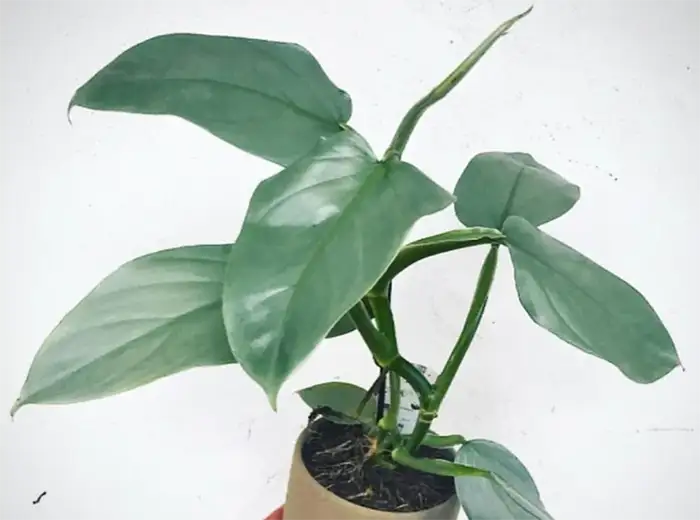
Repotting is a straightforward process. Water the soil the day before. Then, remove the plant and check the root ball for signs of rot. Remove any unhealthy or non-viable roots. Use soil that drains well and is rich in organic matter. This soil will improve drainage and aeration and keep roots healthy.
Propagating Philodendron Hastatum

Hastatum is a type of Philodendron. Similar to many other hybrids and types of Philodendron, people propagate it. The simplest method involves harvesting stem cuttings. The stem cuttings should have 1-2 leaf nodes and several leaves above them. Place the cut end of the stem into water or moist soil and keep it in a warm, well-lit area away from direct sunlight.
Within a few weeks to a month, roots should have formed. Put the new plant into a larger container. Follow the instructions for the potting medium and watering from above. Temperature and humidity recommendations are the same as those for mature Hastatum plants.
Conclusion
Philodendron Hastatum grows fast. But, it is easy to care for and gives stunning views from every angle. Beyond its elegance and beauty, it’s a robust and resilient plant. Hastatum exhibits good resistance to pests and diseases. It can also adapt to dim light. It is forgiving if you forget to water it.
If you do something bad for this plant, it gives visual cues. Watch for yellow, pale, or browning leaves. They can mean a lack of water, humidity, or fertilizer. Or they can mean too much light, water, or fertilizer.


Leave a Reply