If you’re looking for the perfect decorative plant for your home or office, the Ring of Fire plant is a must-consider. Let’s explore the meaning and care tips for this captivating plant.

For plant enthusiasts who appreciate a green living environment, choosing a meaningful and beautiful decorative plant can be quite a challenge. That’s why Xu Farm is here to share information about the Ring of Fire plant: its features, significance, and care tips, right in this article.
I. Characteristics and Significance of the Ring of Fire Plant
A. Characteristics
Like many other Philodendron species, the Ring Of Fire is not a difficult plant to grow, although it grows slowly and is relatively small in size. As an ornamental indoor plant, it has some easily recognizable features, such as:
- There are two types: Philodendron Ring Of Fire and Philodendron Ring Of Fire Golden.
- This plant is herbaceous, grows into a bush with many wide-spreading leaves, and reaches an average height of 30 – 120cm, making it suitable for decorating spacious areas.
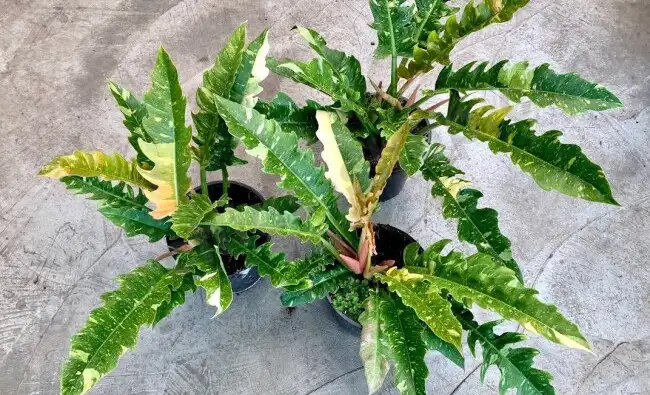
- It has thick, smooth leaf stalks and dark green, glossy leaves with deep serrated edges resembling flickering flames, giving it a very impressive look.
- A notable characteristic of the plant is its ability to tolerate low humidity and dry conditions, thriving even under fluorescent light without the need for sunlight.
Distinguishing between Ring Of Fire and Ring Of Fire Golden
Both varieties are easy to care for and boast beautiful leaves. Furthermore, both are ideal for beginners. However, these two plants can be easily confused due to their similar appearance.
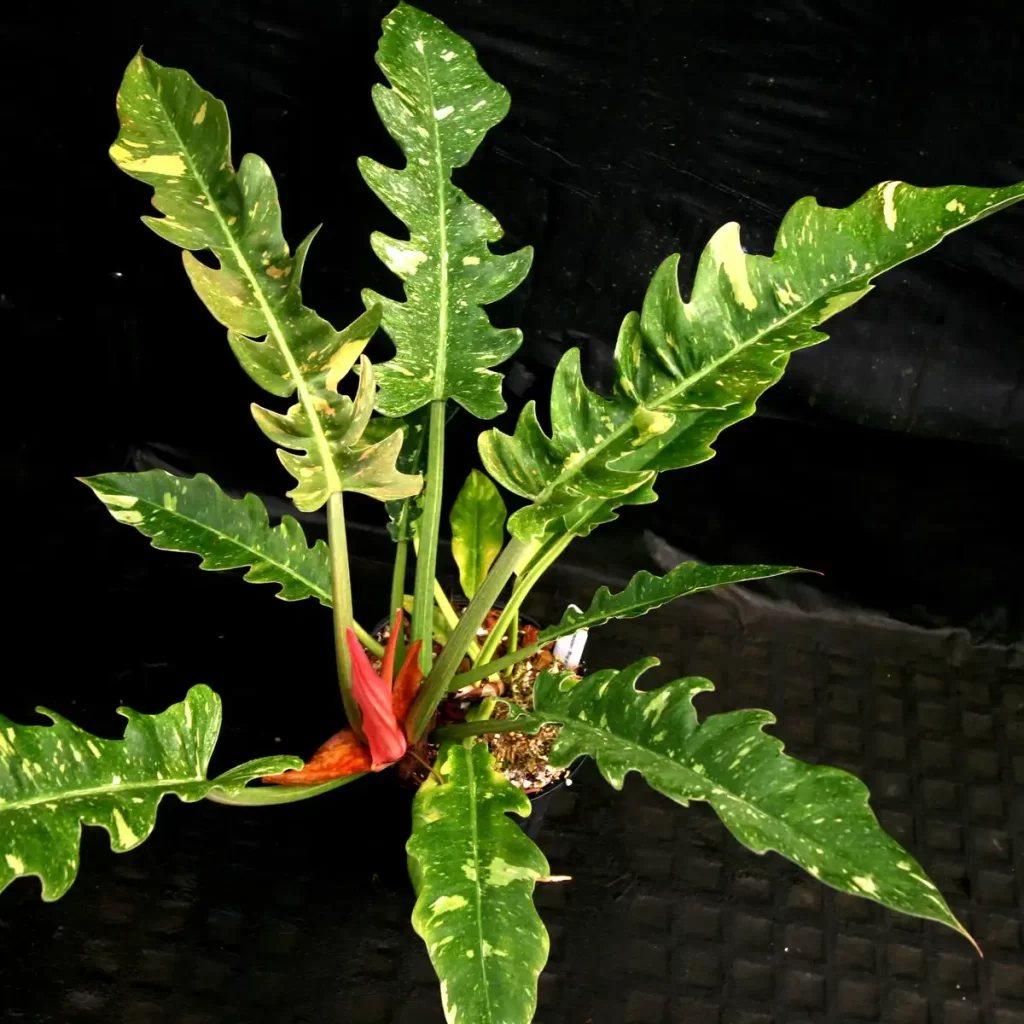
Philodendron Ring Of Fire
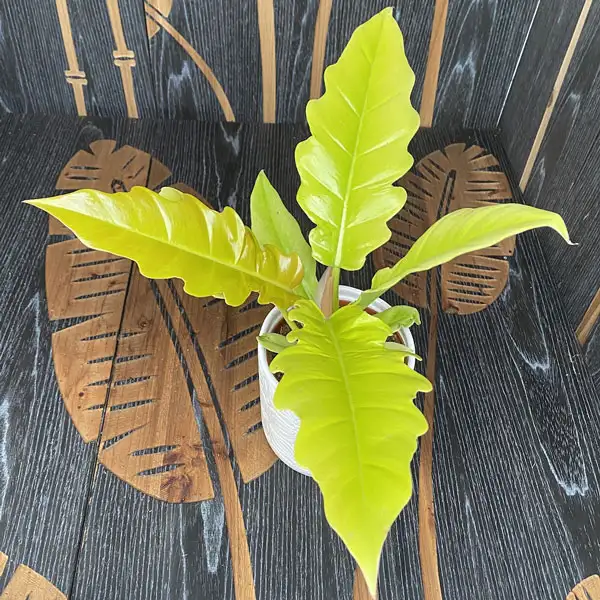
Philodendron Ring Of Fire Golden
B. Significance
The Ring Of Fire plant helps purify indoor air by absorbing toxins from the surrounding environment. This creates a comfortable and airy atmosphere in the room and helps eliminate harmful stagnant energy.
Moreover, in terms of Feng Shui, this plant is considered to bring luck in wealth and power to the homeowner’s family.

C. Uses
The Ring of Fire plant, with its striking leaf colors, is popular for pot planting as a decorative element in living rooms, bedrooms, reception desks, etc. It can also be planted in floor pots for decorating entrances, and meeting rooms, or combined with other ornamental foliage to create a fresh, vibrant, and elegant space.
Additionally, the Ring of Fire can be planted in front yards, gardens, balconies, and grand hallways, bringing freshness and vibrancy to the space. Furthermore, it plays a role in filtering out harmful gases and pollutants, contributing to a greener and cleaner living environment for everyone.
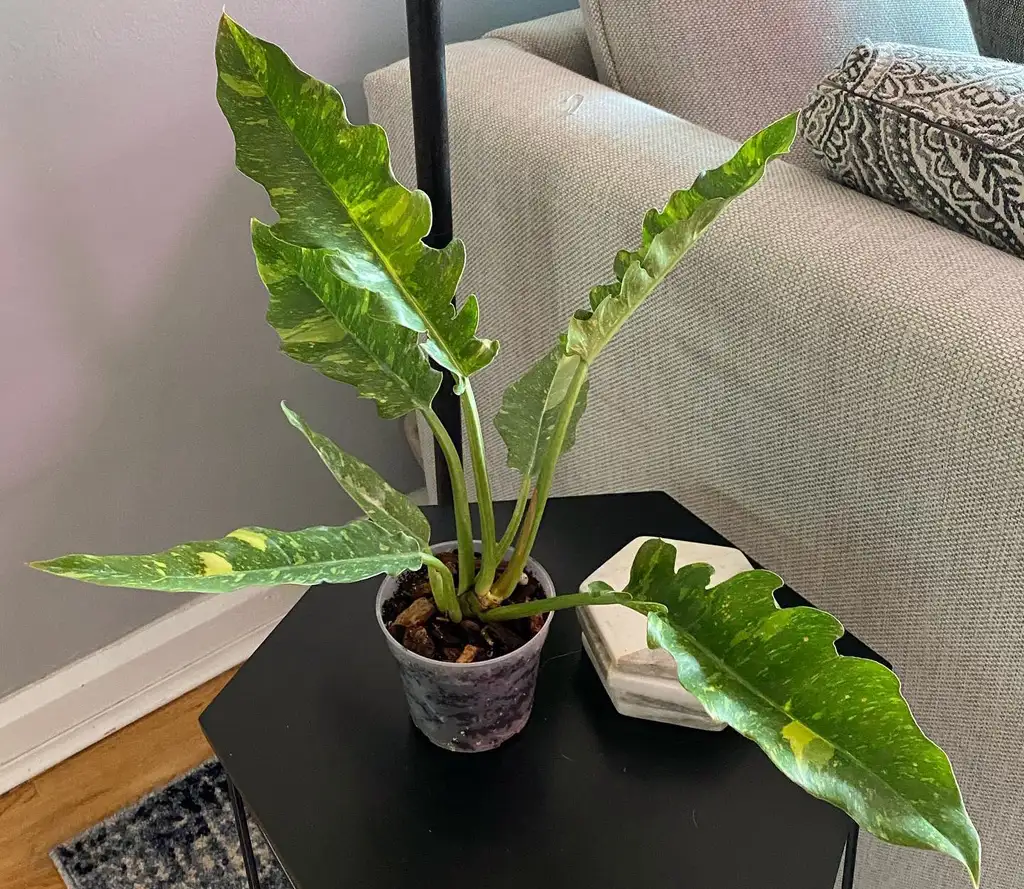
II. How to Plant and Care for Ring Of Fire Plant
The Ring Of Fire plant belongs to the Philodendron genus, making it relatively easy to grow and low-maintenance. Propagating the Philodendron Ring of Fire is straightforward. Ensure that the plant is mature and ready to produce offspring. Additionally, prepare a suitable mix of soil, water, a pot, and some rooting hormones. Follow the guidelines below to have a beautiful and thriving Ring Of Fire plant.

A. Planting the Ring Of Fire Plant
Planting the Philodendron Ring of Fire is straightforward. Ensure that the plant is mature and ready to produce offspring. Additionally, prepare a suitable mix of soil, water, a pot, and some rooting hormones.
Preparation:
- Choose the planting variety: Select a plant with many branches, healthy leaves without signs of pests or diseases. The stem should not be rough, and it should not exceed 45cm in length. The roots of the planting variety should be healthy and undamaged. You can purchase a planting variety from specialized plant stores or propagate it yourself.
- Select a pot and other tools: Choose a pot of appropriate size with good drainage, wide enough for root development. Use small stones or clay pellets to stabilize the plant.
- Soil: The Ring Of Fire plant thrives in moist, organic soil. Maintain consistent moisture throughout the year to provide the plant with essential nutrients. However, ensure that the soil does not become waterlogged to allow sufficient oxygen for the roots. The ideal pH range for the plant is 6-7. Consult with a seller to choose the right soil.
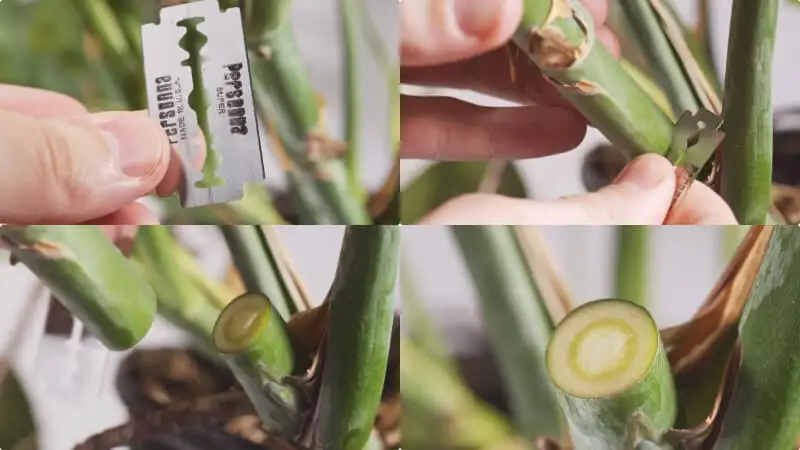
Planting using the stem-cutting method:
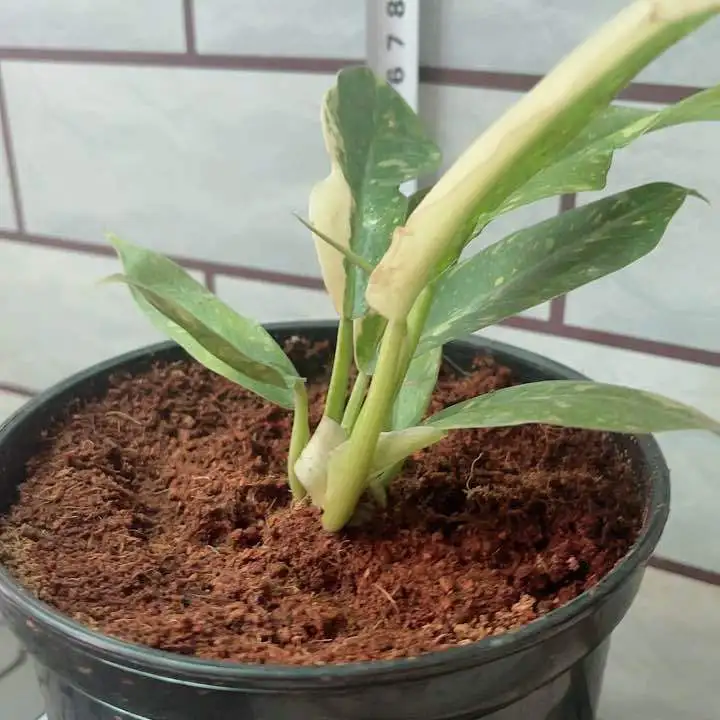
- Disinfect the cutting tool you will use, either a knife or sharp scissors. Trim a section of the stem to about 20cm, ensuring it has multiple leaf nodes for faster growth.
- Dip the cut stem into rooting hormone and place it in soil or water with the plantlet.
- Care for the plant following the guidelines below. Be patient, and within 2-3 weeks, the plant will develop roots and shoots.
B. Caring for the Ring Of Fire Plant
Watering:
The Philodendron Ring of Fire has modest water requirements. Water it a few times per month when the soil is dry. During the growing season, water every 7-9 days. Conversely, in winter, water every 2-3 weeks as the plant is less active. Adjust watering frequency based on the season; more water is needed in hot weather.
Light:
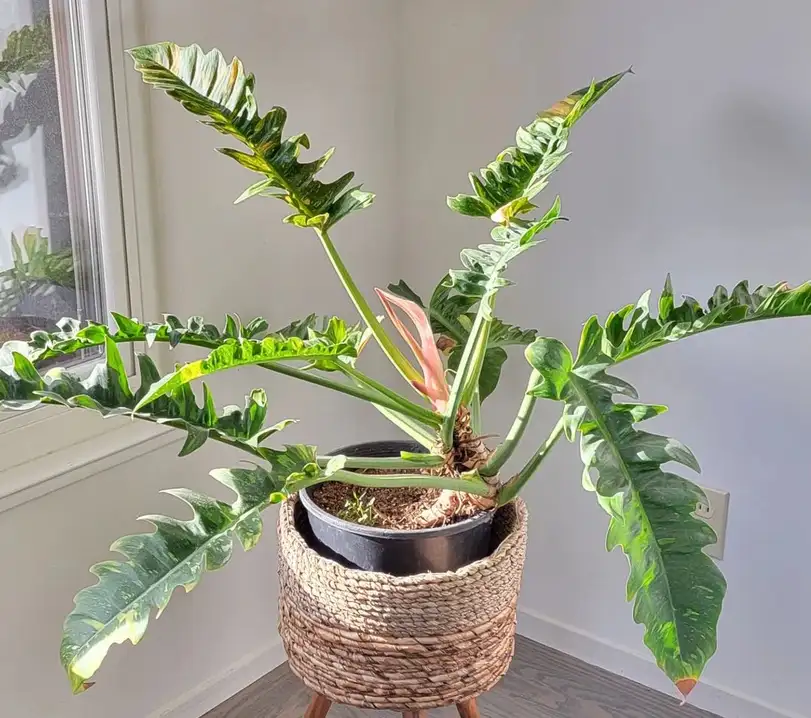
This indoor plant can adapt to various light conditions, thriving in moderate, stable light but tolerating lower light levels. You can place it indoors with artificial light or hang it on a balcony.
Temperature:
While originating from tropical regions, the plant doesn’t require excessively high temperatures. An ideal range is 13 to 27 degrees Celsius for optimal growth. Avoid placing the plant in excessively hot conditions, as it can lead to leaf burn. Similarly, keeping the plant below the permissible temperature may induce dormancy or even plant death. Consider bringing the plant indoors during colder months if you live in a cold climate.
Humidity:
The Ring of Fire plant is low-maintenance regarding humidity, thriving in mild humidity levels (30-60%). In dry, cold climates, consider using a humidifier or placing a water tray to ensure optimal growth. High humidity levels (above 80%) can attract insects and have negative effects.
Fertilizing:
Like all plants, the Ring of Fire plant requires fertilizer for proper growth. Fertilize it a few times a year, around 3-4 times, using a liquid plant fertilizer on moist soil. Slow-release fertilizer pellets are also a good option to reduce the frequency of fertilizing. Avoid excessive fertilization in winter and primarily fertilize in spring.
Repotting:
Due to its extensive root system, repotting may only be necessary every 2-3 years when the plant outgrows its current pot. Consider using a white pot for visual appeal, but ensure it has proper drainage.
Pruning:
Pruning and maintaining the plant are essential. Remove any abnormal or misshapen leaves to maintain the overall aesthetics and health of the plant.
III. Additional Notes for the Ring of Fire Plant
- Avoid using extremely cold or hot water. It’s best to use lukewarm water for the plant.
- Slow-release fertilizer pellets are the best for the health of Philodendron, reducing the need for frequent fertilization.
- Protect your plant from direct sunlight. Place it in an area with indirect light from windows and filtered shade for optimal growth.
These are the factors to consider when planting and caring for the Ring of Fire plant. Xu Farm hopes this information proves helpful to you.


Leave a Reply